

Understanding Property Investment Corridors Around Kampala: Katosi and the Entebbe Growth Belt
In Kampala’s wider metropolitan region, property investment dynamics are increasingly shaped not by the city centre, but by expanding infrastructure corridors and secondary nodes of growth.
Two areas that illustrate this shift clearly are:
- the Katosi–Mukono lakeside corridor
- the Entebbe–Wakiso expansion belt
Both are influenced by infrastructure, logistics, and urban spillover — but in different ways.
1. The Katosi corridor: from lakeside economy to emerging peri-urban investment zone
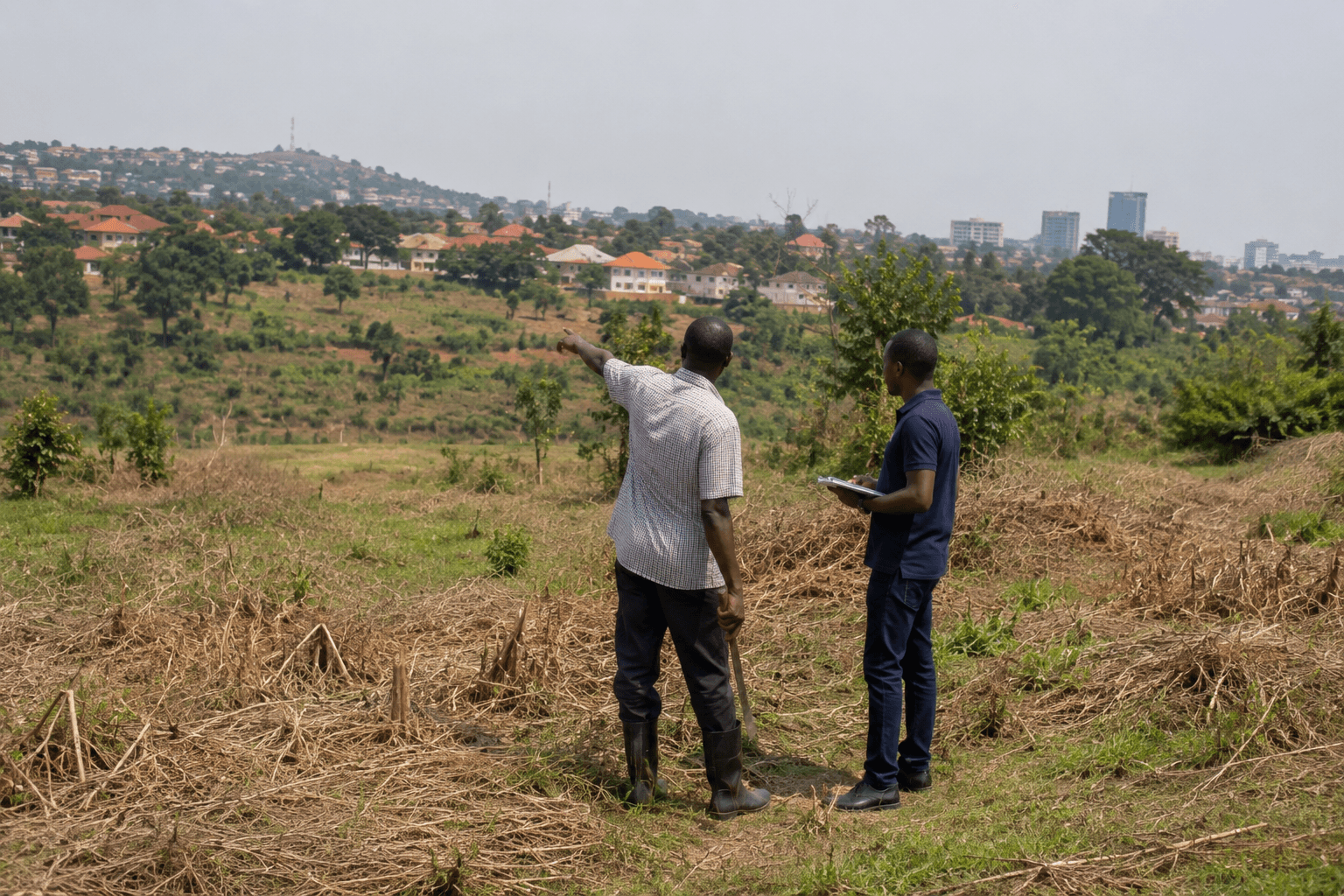
Katosi, located along the Lake Victoria shoreline in Mukono District, has traditionally been known for fishing and local trade activity. However, its investment relevance is increasingly being shaped by its position within the broader Kampala–Mukono–eastern transport and logistics system.
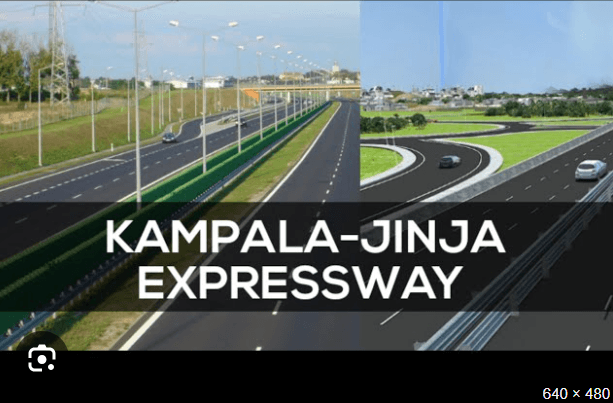
The Kampala–Jinja Expressway, though still in the pre-construction and phased procurement stage, is expected to significantly reshape transport efficiency along Uganda’s eastern growth corridor once completed, with ripple effects for surrounding peri-urban land markets. By easing congestion on one of the country’s busiest trade routes, it is likely to strengthen investor confidence in Greater Kampala’s broader infrastructure network — reinforcing the attractiveness of satellite and corridor-linked locations such as Mukono, Katosi, and the wider Lake Victoria basin.
Structural investment characteristics of Katosi
Katosi’s property potential is shaped by three structural features:
- Lakeside geography: supports recreation, hospitality, and leisure-based land use potential
- Transition economy base: fishing and informal trade remain dominant, meaning gradual formalisation rather than rapid urbanisation
- Low current land intensification: compared to Kampala-adjacent suburbs, development density remains relatively low
This combination typically produces longer investment horizons with speculative upside rather than immediate rental yield markets. In practical terms, investors tend to consider:
- land banking
- phased residential development
- future hospitality or eco-leisure positioning rather than high-density rental models
2. The Entebbe side: from transport corridor to structured real estate belt

Unlike Katosi, the Entebbe corridor is already part of a mature infrastructure-driven real estate system. It is anchored by Uganda’s international gateway and supported by major road infrastructure that has fundamentally changed commuting patterns between Kampala and Entebbe.
The Kampala–Entebbe Expressway, completed in 2018, significantly reduced travel times and strengthened residential and commercial viability along the corridor. This has accelerated suburbanisation along multiple nodes including Kajjansi, Lubowa, and Kigo.
The “upcoming Entebbe growth belt”
Within the wider Entebbe corridor, the most notable emerging nodes are not Entebbe town itself, but its expanding peri-urban edges — particularly:
- Katabi / Nkumba axis — education, residential rentals, student housing demand
- Kajjansi–Kitende corridor — high-density residential and apartment expansion
These areas benefit from:
- expressway access
- proximity to Kampala employment zones
- increasing demand for serviced rentals and apartments
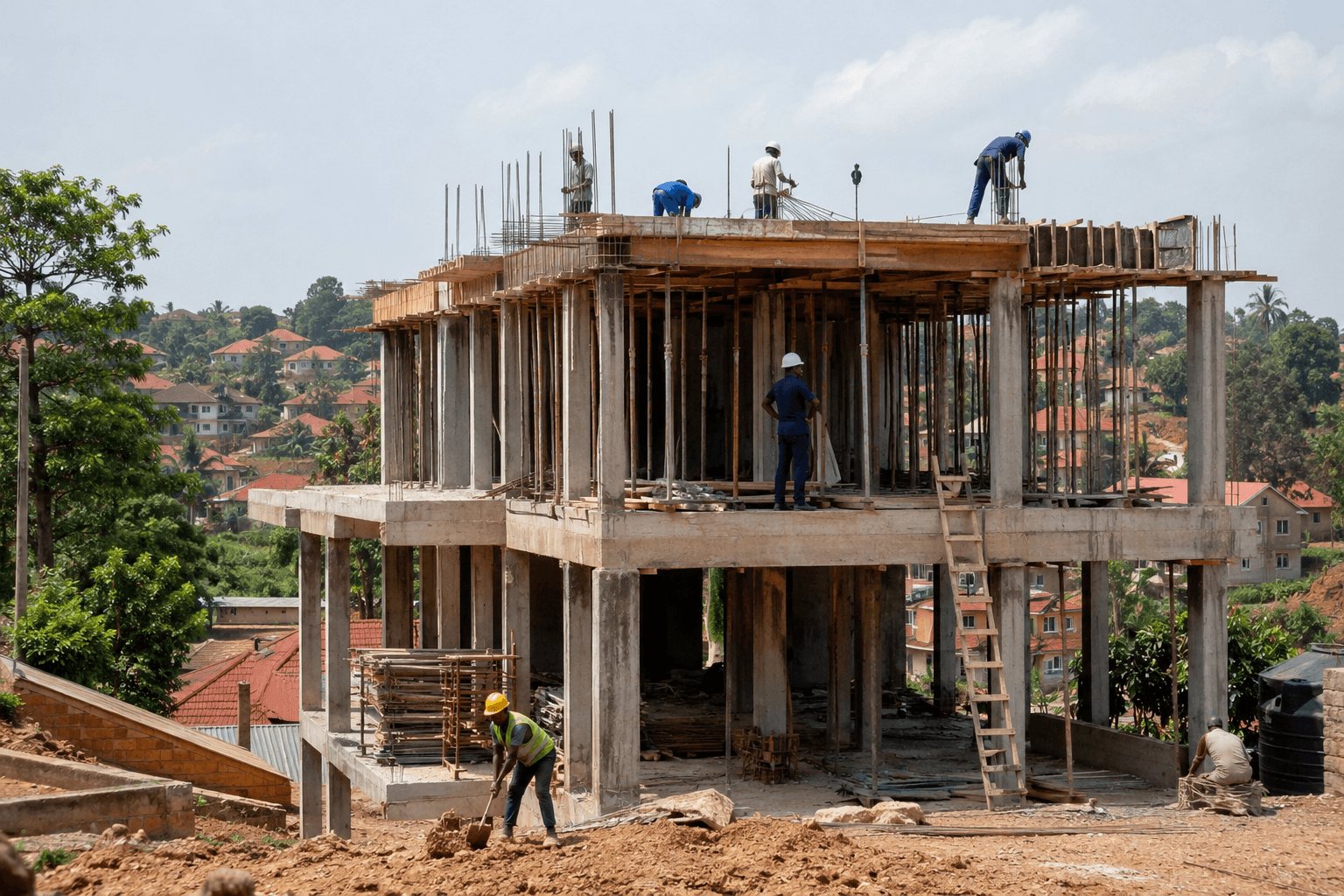
The key feature here is not land availability, but intensification of land use — apartments, gated communities, serviced units.
Katosi vs Entebbe: two different investment logics
These two corridors should not be viewed as competitors — they represent two different property investment cycles:
| Dimension | Katosi Corridor | Entebbe Corridor |
|---|---|---|
| Development stage | Early / emerging | Mature / structured |
| Infrastructure influence | Indirect spillover | Direct anchoring (airport + expressway) |
| Typical investment | Land banking, long-term speculation | Rentals, apartments, mixed-use |
| Risk profile | Higher uncertainty, higher upside | Lower risk, steady demand |
| Market depth | Thin, evolving | Deep, established |
| Entry investment | Low | High |
The underlying insight for investors
Across both corridors, the key shift is not just geography — it is the changing relationship between infrastructure and value creation.
- In Katosi, value is still being formed
- In Entebbe, value is being consolidated and intensified
This distinction is more important than the location itself.
In Kampala’s expanding metropolitan landscape, investment decisions are increasingly less about “where land is cheap or expensive” and more about: where infrastructure is creating future demand, and where that demand is already being absorbed.
Katosi and Entebbe sit on opposite ends of that spectrum — but both reflect the same underlying reality: infrastructure shapes value, and value follows infrastructure.
Have questions about your specific situation?
Book a Consultation